SIMPLY HUMIC Testimonials
Your health starts with healthy soil biology
FARMING
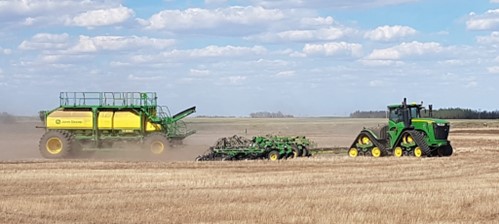
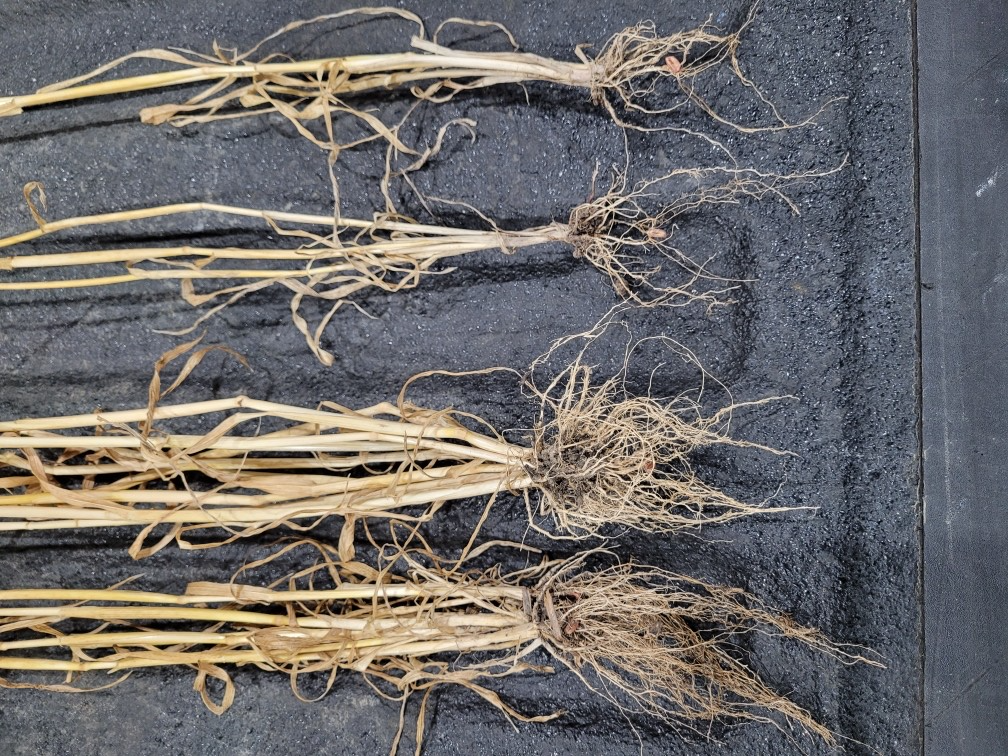
I have used Simply Humic the last 3 years. To begin with, land prices and the economics made me realize I had to get more out of our poor land. I had heard about Humic and was sceptical but needed to try something different. I decided to try to fix some of the worst areas on my land that had pH issues, alkaline areas, sandy knolls, gumbo spots, and compaction. My first year the results were not easily visible due to a drought, but when I dug up the roots and looked at the areas I had applied it, I knew it was working. There was a visible difference in root mass. If you don’t have healthy roots, you will not have good yields. When I had some decent moisture, the results were pretty obvious and showed up in yield. I was able to produce a decent yield in my poor areas, and increase organic matter to improve soil health. I will definitely continue to apply Humic, and monitor the results as I think in time, I can maintain yields and lower my fertilizer input.
R. Schilling -
Halkirk, AB Farmer
FARMING
I’ve been using humalite on and off for about five to six years, applying it in the seed row at low rates, and I’ve noticed some small yield increase on my sandy land. This year, we decided to try a more economical source of humalite, which allowed us to spread a higher rate last fall. Unfortunately, a hailstorm this summer hit us hard, so we can’t really see any yield differences yet. However, I was thrilled to see that a piece of land, which hadn’t grown anything for year, finally produced a decent crop until the hail came along. This area is know for its tight, sticky clay, so it was really encouraging to see the positive impant of humalite. It’s been a valuable addition to my farming practices!
Jason E. -
Central Alberta Farmer
RAISED BEDS
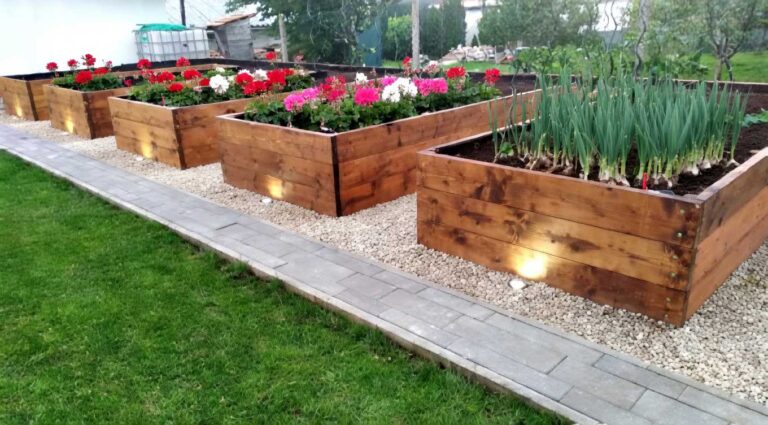
It’s the end of the growing season and I just wanted to share a sincere testimonial about how the humic improved the resilience of my plants. I have planters, and specifically geraniums, that with no love at all are still blooming. It’s mid Sept and they never stopped blooming! It’s been a really pleasant surprise to see my plants thrive without any intervention, which I credit with humic I added in the spring.
Linda S. -
Central Alberta Gardener
Wonderful growth & bright colours. Blossoms lasted till 2nd week in October. I believe the Himic did great things. Will definitely use it next spring.
Linda S. -
Alberta
I have used Simply Humic the last 3 years.
To begin with, land prices and the economics made me realize I had to get more out of our poor land. I had heard about Humic and was sceptical but needed to try something di]erent. I decided to try to fix some of the worst areas on my land that had pH issues, alkaline areas, sandy knolls, gumbo spots, and compaction. My first year the results were not easily visible due to a drought, but when I dug up the rootsand looked at the areas where I had applied it, I knew it was working. There was a visible di]erence in root mass. If you don’t have healthy roots, you will not have good yields. When I had some decent moisture, the results were pretty obvious and showed up in yield. I was able to produce a decent yield in my poor areas and increase organic matter to improve soil health. I will definitely continue to apply Humic, and monitor the results as I think
in time, I can maintain yields and lower my fertilizer input.
Ryan S. -
Halkirk, Ab.
LAND RECLAMATION
During the construction of the Paintearth Wind Project, our objective was to restore the land to a condition that exceeded its original state. Although we had not previously utilized Humic in our reclamation efforts, we opted to incorporate Simply Humic after discovering its organic properties, particularly given the sensitivity of the Native Prairie in our project area. We applied it specifically to the Native Prairie while refraining from its use on adjacent fields of tame hay and pasture. We used this as an opportunity to compare the two reclamation methodologies. The results were evident from the first year, even amidst drought conditions, there was noticeable growth in the area treated with Simply Humic. By the second year, the outcomes were remarkable, allowing us to achieve project sign-off in that region, effectively managing costs and satisfying the landowner. In contrast, the untreated area will require an additional season of reclamation efforts, including reworking, reseeding, weed control, and monitoring.
Based on this experience, I will advocate for the use of Simply Humic in future projects to facilitate quicker and more cost-effective completions.
R. Brazier - Paintearth County AB
-
Borea Construction
SIMPLY HUMIC applied
SOD
For our new infill property landscaping we chose Simply Humic to apply prior to laying the sod to enrich the soil with an organic option and it gave the new sod a good start in what turned out to be a dry season. Very happy with the results!
Harley S -
Edmonton, AB
-
Planting seed and incorporating
HUMIC
I’ve been using humalite on and off for about five to six years, applying it in the seed row at low rates, and I’ve noticed some small yield increases on my sandy land. This year, we decided to try a more economical source of humalite, which allowed us to spread a higher rate last fall. Unfortunately, a hailstorm this summer hit us hard, so we can’t really see any yield differences yet. However, I was thrilled to see that a piece of land, which hadn’t grown anything for years, finally produced a decent crop until the hail came along. This area is known for its tight, sticky clay, so it was really encouraging to see the positive impact of humalite. It’s been a valuable addition to my farming practices!
Jason E -
East Central Alberta farmer
COMMUNITY GARDENING
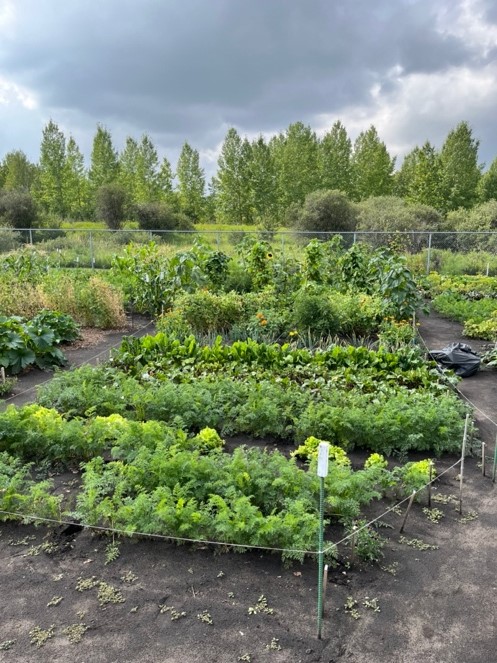
I hand-spread about 40 lbs of Ag grade SIMPLY HUMIC onto my vegetable garden (800 sf) and then tilled it in, before planting last spring. I’ve planted the same veggies in the same plot previously, but last year I was pretty shocked to see how much improvement there was, come harvest time. Several 10’ Sunflowers, astounding Marigolds with an abundance of blooms, but I was most impressed with my root vegetables. I’m not known for thinning things like carrots and beets but I should have. My rows must have had near 100% germination, the carrots were deeper than usual, fatter than usual, and as tasty as one could imagine, even months later. The beets burst from the ground and continued to fatten right up until last harvest. The best thing was knowing this was all natural and what I was eating was grown the way it was supposed to grow. The soil in general seemed lighter, more aerated and didn’t seem to require near as much watering.
When you dug down two or three inches the soil still held moisture. I look forward to adding the same amount, or maybe a little more, again this year.
Don P -
Central Alberta Gardener
-
Mid-season after
SIMPLY HUMIC applied
-
My Catoni Aster reviving after
SIMPLY HUMIC applied
ORNAMENTAL TREES
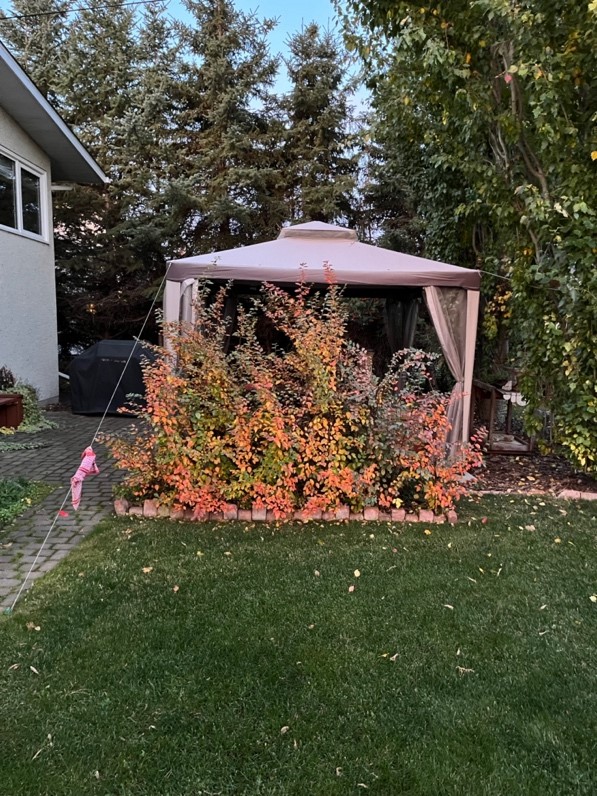
The past few years I’ve had concerns with a Catoni Aster I’ve favored. It suffered from dry branch, attracted pests, dropped leaves and seemed to refuse to grow. My gardening friend had been experimenting with SIMPLY HUMIC and spread a few handfuls around the base of my hedge plants. I trimmed the dead-looking branches back and continued to care for it as I always have. I had almost forgotten about it until later in the summer when I noticed it beginning to flourish and come back. By season’s end it had begun to sprout new branches, develop more berries than previous years, the leaves were clean and shiny and some new growth was rising around the trunks. By fall, it took on the most amazing hues of yellow, orange and red, which reminded me of why I planted it in the first place. I’ve already bought a bag of SIMPLY HUMIC to treat it, and the rest of my gardens this spring.
Trudy E -
Alberta Homeowner